
10 Interior Design Trends That Are Taking Over
Updated: May 19
By AG Interiors | Interior Design Tips & Inspiration
Interior design moves fast. What felt fresh two years ago can feel dated today — and what looks radical right now will be everywhere tomorrow. After working on residential and commercial projects across the international, we've identified the ten trends that are genuinely reshaping the way people design their homes.
These aren't passing fads. These are fundamental shifts in how people think about their living spaces — and understanding them will help you make smarter, more timeless design decisions.

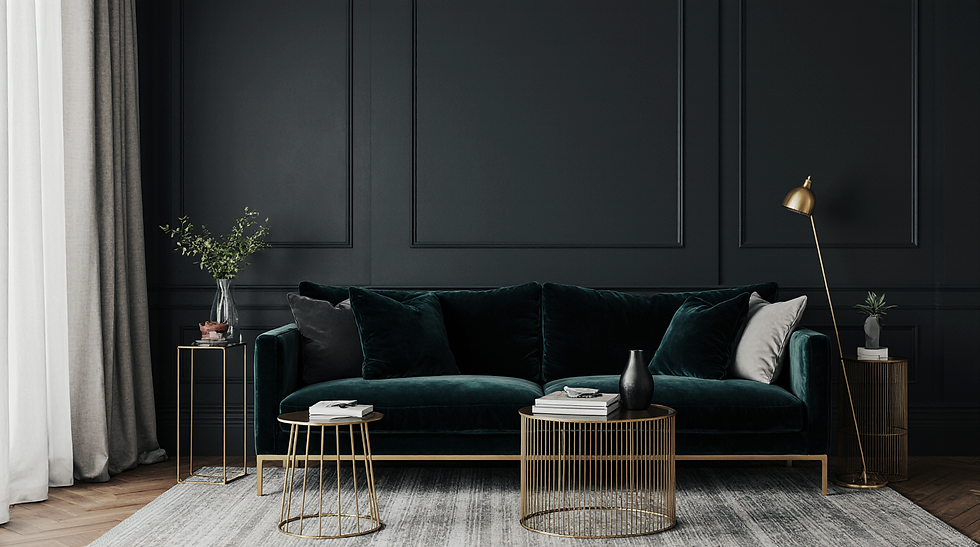
1. Dark and Moody Interior Design Trends
The era of all-white everything is over. Deep, saturated wall colors — charcoal, forest green, inky navy, rich burgundy — are dominating interiors across the US and Europe. Dark rooms feel dramatic, sophisticated, and surprisingly intimate.
The key to getting this right is balance. Pair dark walls with warm ambient lighting, rich textures like velvet and wool, and carefully chosen metallic accents in brass or bronze. The result is a space that feels like a five-star hotel suite rather than a cave.
How to try it: Start with a single accent wall in a deep tone before committing to a full room. Farrow & Ball's Railings or Hague Blue are perennial favorites for good reason.
2. Japandi — The Japanese-Scandinavian Hybrid
Japandi is the design world's most successful fusion. It takes Scandinavian minimalism — clean lines, natural materials, functional beauty — and layers in Japanese wabi-sabi philosophy: an appreciation for imperfection, impermanence, and the beauty of the natural world.
The result is interiors that feel calm, considered, and deeply livable. Neutral palettes of warm white, oat, sand, and charcoal. Low-profile furniture. Natural linen, raw oak, washi paper, and hand-thrown ceramics. No clutter, no excess.
How to try it: Edit ruthlessly. Remove half of what's on your shelves and surfaces. What remains should be functional, beautiful, or both.

3. Biophilic Design
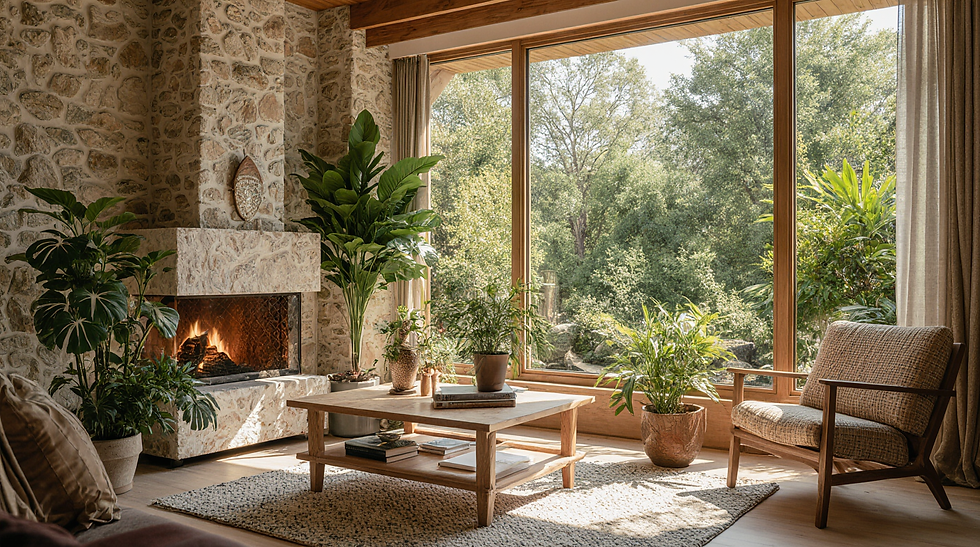
The boundary between indoors and outdoors is dissolving. Biophilic design — the practice of connecting interior spaces with the natural world — has moved from a niche concept to a mainstream priority.
This goes far beyond adding a houseplant. It includes maximizing natural light, using natural materials like stone, wood, and rattan, incorporating water features, designing with organic shapes and curves, and even considering airflow and acoustics. Biophilic spaces don't just look better — research consistently shows they make people feel better.
How to try it: Replace synthetic materials with natural alternatives wherever possible. Linen over polyester. Solid wood over MDF. Stone over ceramic.
4. Curved and Organic Shapes
The sharp right angle is retreating. Across furniture, architecture, and accessories, curves are taking over — and for good reason. Organic shapes feel warmer, softer, and more human than rigid geometric forms.
Curved sofas, arched doorways, rounded mirrors, oval dining tables, and blobby sculptural objects are appearing in the most sophisticated interiors worldwide. This trend pairs beautifully with both Japandi minimalism and maximalist bohemian aesthetics.
How to try it: Swap one angular piece for a curved alternative. A round mirror instead of rectangular. An oval coffee table instead of square.

5. Textural Layering
The most interesting interiors are no longer defined by color alone — they are defined by texture. Layering different tactile surfaces creates depth, warmth, and visual complexity that no paint color can achieve alone.
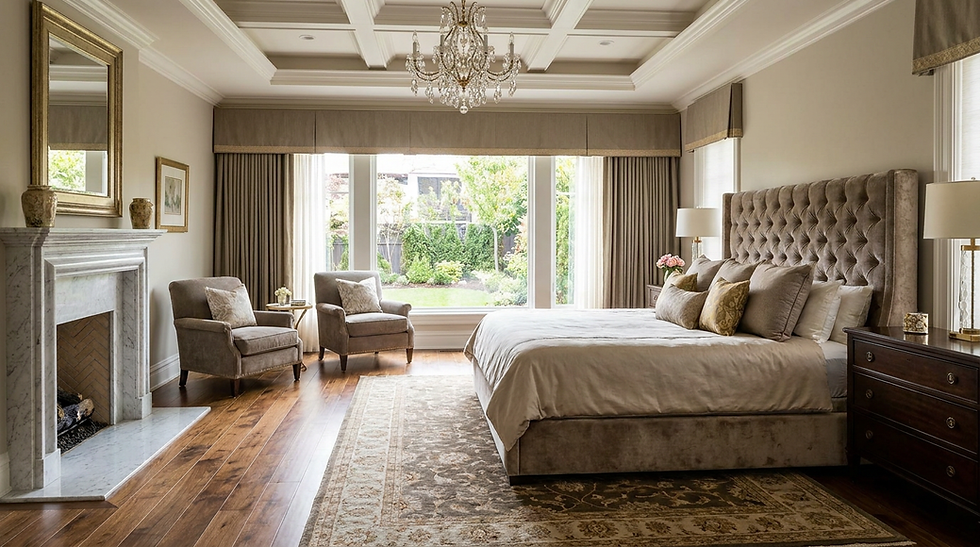
Think: a plaster wall behind a linen sofa, topped with a velvet cushion, next to a raw oak side table, on a hand-knotted wool rug. Each surface catches light differently. Each material tells a different story. Together, they create a space that rewards closer inspection.
How to try it: Close your eyes and run your hand across every surface in a room. If everything feels the same, you need more texture.

6. Warm Neutrals Replacing Cool Greys
Cool grey dominated interiors for over a decade. It is now definitively over. Warm neutrals — terracotta, putty, warm white, camel, blush, and sand — have taken its place and show no signs of retreating.
Warm neutrals work because they respond to natural light beautifully. They shift through the day, glowing golden in morning sun and settling into rich amber tones by evening. They also pair with virtually every other color and material, making them an enormously versatile foundation.
How to try it: If your home has cool grey walls, a simple repaint in a warm white or putty tone will transform the space without changing a single piece of furniture.
7. Statement Ceilings
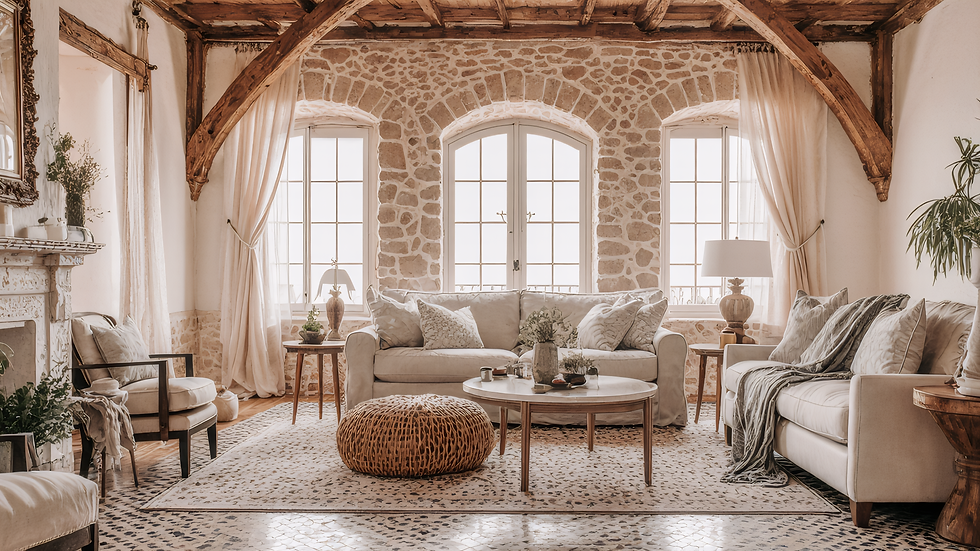
The fifth wall is finally getting the attention it deserves. Statement ceilings — painted in deep colors, covered in wallpaper, decorated with plasterwork, or fitted with dramatic lighting — are one of the most impactful and underused design moves available.
A dark ceiling in an otherwise neutral room adds unexpected drama. A wallpapered ceiling in a bedroom creates an immersive, cocooning effect. Coffered or beamed ceilings add architectural character that no amount of furniture can replicate.
How to try it: Paint your ceiling the same color as your walls for an enveloping, sophisticated effect — one of the easiest and most dramatic changes you can make.
8. Maximalist Touches Within Minimalist Frameworks
Pure minimalism has softened. The cold, empty spaces that defined early 2010s design have given way to something warmer and more personal — minimalist frameworks with carefully chosen maximalist moments.
This means: a restrained, neutral room with one extraordinary piece. A simple white kitchen with a dramatic stone island. A calm bedroom with an oversized, sculptural headboard. The key is contrast — the quiet makes the statement louder.
How to try it: Identify the one element in each room you want to be extraordinary. Invest there. Keep everything else simple.

9. Vintage and Antique Integration
New interiors feel more interesting when they contain something old. The trend for mixing vintage and antique pieces with contemporary design is accelerating — and it makes complete design sense.
Vintage pieces add character, uniqueness, and a sense of history that no high-street store can replicate. A mid-century armchair, an antique brass lamp, a worn Persian rug — these objects give a room soul. They also signal confidence: a willingness to curate rather than simply consume.
How to try it: Visit one vintage market or browse one online resale platform before making your next furniture purchase. You will almost certainly find something more interesting at a fraction of the price.

10. Functional Luxury
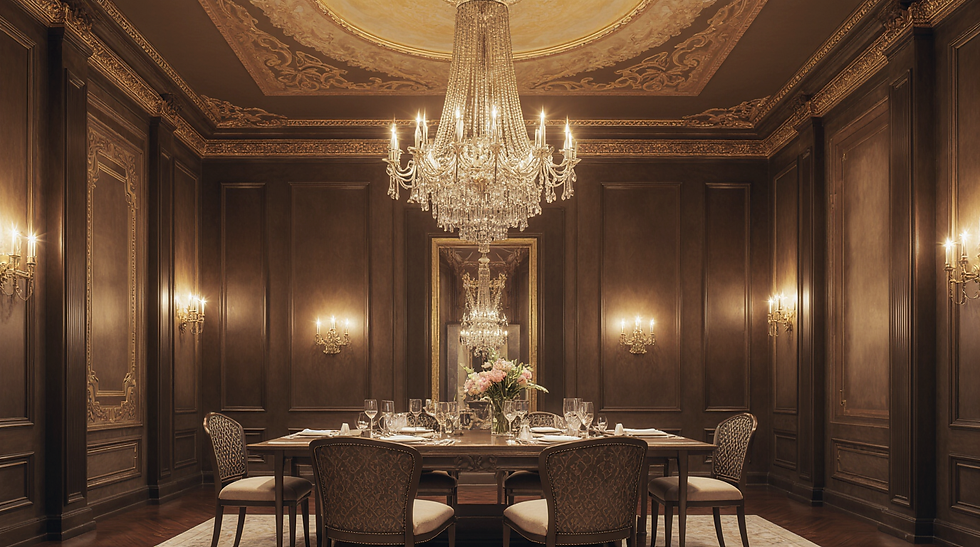
The definition of luxury is shifting. Ostentatious displays of wealth — gold finishes everywhere, oversized chandeliers, marble on every surface — are giving way to a more considered, quieter luxury.
Functional luxury means investing in quality you can feel rather than status you can see. A mattress that genuinely transforms your sleep. A sofa fabric that gets better with age. A kitchen worktop that is as beautiful in twenty years as it is today. This is luxury as lived experience rather than visual performance.
How to try it: Before your next significant purchase, ask yourself: will this still feel special in ten years? If the answer is yes, it qualifies as functional luxury.

Final Thoughts
The through-line connecting all ten of these trends is a move toward intentionality. Less impulse, more consideration. Less trend-chasing, more personal curation. The most beautiful homes being designed right now are not the most expensive or the most fashionable — they are the most thoughtful.
At AG Interiors, this philosophy guides everything we do. Whether we're working on a project in California, Germany, or closer to home, the goal is always the same: spaces that feel genuinely right for the people who live in them.
Inspired by these trends? Explore our Pinterest boards for curated interior design ideas across every style and aesthetic.
Save this article for later and follow AG Interiors for more interior design inspiration and expert tips.

Comments